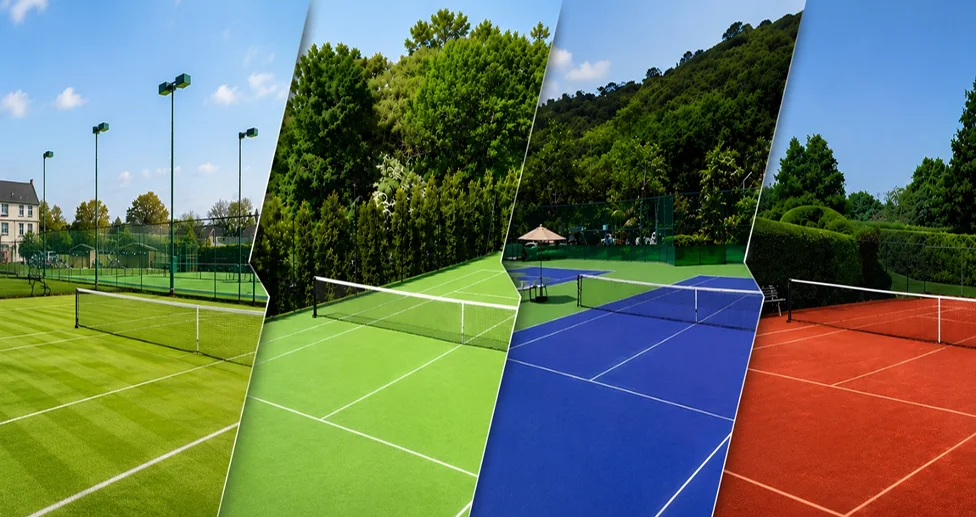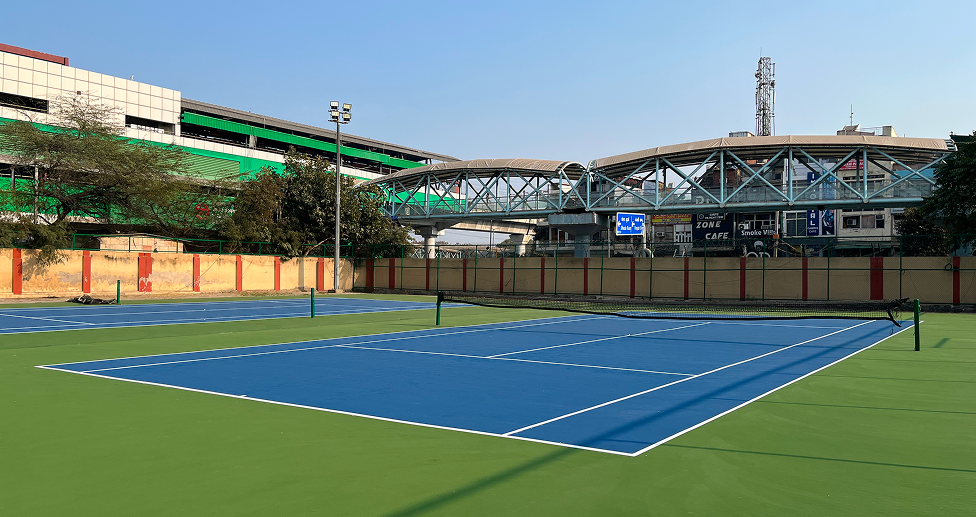
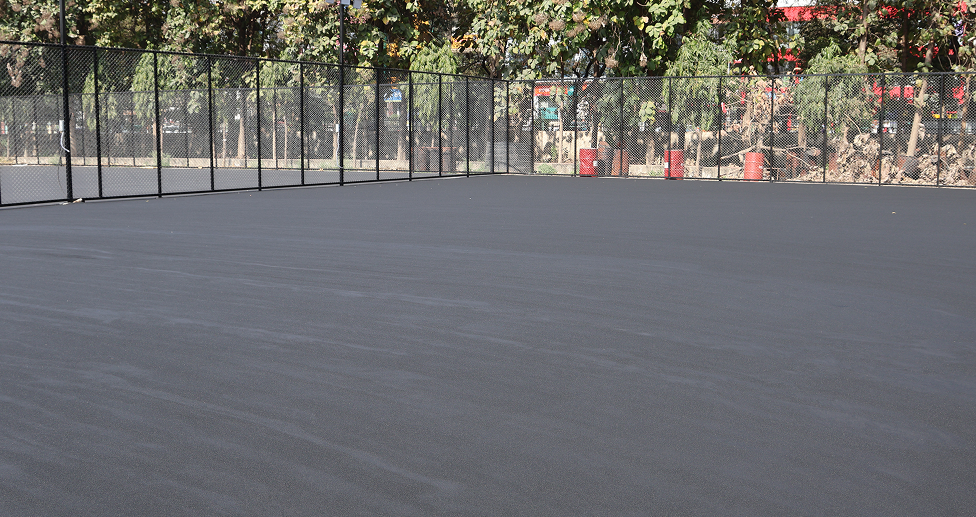
A tennis court is exposed to regular play, weather, moisture, and temperature changes. Over time, even a well-built court can begin to show signs of wear. Tennis court resurfacing is one way to restore the playing surface, improve its appearance, and address certain surface problems before they become more serious.
But when does a tennis court actually need resurfacing, and what does the process involve? Understanding these points can help court owners plan maintenance at the right time.
What Is Tennis Court Resurfacing?
Tennis court resurfacing is the process of repairing and renewing the existing playing surface. Depending on the condition of the court, resurfacing may involve cleaning, repairing cracks, filling low areas, applying new surface materials, and renewing the court’s playing lines.
Resurfacing is generally different from completely rebuilding a court because the existing base and structure may remain in place when they are still suitable.
Why Does a Tennis Court Need Resurfacing?
Regular play gradually wears down the surface. Outdoor courts also experience exposure to sunlight, rain, temperature fluctuations, and moisture.
Some common reasons for resurfacing include:
- Surface fading and discoloration
- Worn or rough playing areas
- Small cracks and surface defects
- Loss of surface texture
- Minor low spots
- Poor appearance
- Reduced consistency of play
Resurfacing can help restore the court’s appearance and playing characteristics when the underlying structure is still in good condition.
Signs That a Tennis Court Needs Resurfacing
Knowing the warning signs can help prevent small surface problems from becoming larger ones.
1. Visible Cracks
Cracks are one of the most noticeable signs that a court needs attention. Small cracks should be assessed and repaired before they spread further.
2. Faded Surface
Outdoor exposure can gradually fade the color of a tennis court. Significant fading can indicate that the surface coating has experienced considerable wear.
3. Rough or Worn Areas
Heavy-use areas may become worn over time. Changes in texture can affect how the court feels underfoot and how the ball interacts with the surface.
4. Uneven Surface
Small depressions or uneven areas can affect water drainage and playing conditions. These areas should be evaluated before resurfacing work begins.
5. Worn Court Lines
Court lines can become faded or difficult to see after years of use. During resurfacing, the lines can be renewed to improve visibility.
How Often Does a Tennis Court Need Resurfacing?
There is no single resurfacing schedule that applies to every tennis court. The required frequency depends on factors such as court usage, climate, surface condition, maintenance, and construction quality.
A court that receives heavy daily use may require attention sooner than a lightly used recreational court. Regular inspections are therefore more useful than relying only on a fixed number of years.
What Is the Tennis Court Resurfacing Process?
The exact process can vary depending on the existing surface and its condition. A typical resurfacing project may include the following steps:
Step 1: Court Inspection
The court is inspected for cracks, surface wear, drainage issues, and other defects.
Step 2: Cleaning
Dirt, debris, organic growth, and other contaminants are removed from the surface.
Step 3: Surface Repairs
Cracks and other suitable surface defects are repaired before new coatings are applied.
Step 4: Surface Preparation
The existing surface is prepared so that the new resurfacing materials can bond properly.
Step 5: Application of Resurfacing Coatings
Appropriate surface materials are applied according to the court’s requirements and existing system.
Step 6: Line Marking
Once the surface work is complete, accurate tennis court lines are marked to restore the playing layout.
Step 7: Final Inspection
The finished court is inspected to check the surface, lines, and overall condition before it is returned to use.
Can Resurfacing Fix Every Tennis Court Problem?
No. Resurfacing is mainly suitable when the existing court structure and base are still in reasonable condition.
Major structural movement, severe drainage problems, extensive base failure, or significant subsurface damage may require more extensive repair or reconstruction rather than simple resurfacing.
Benefits of Tennis Court Resurfacing
When appropriate for the court’s condition, resurfacing can provide several benefits:
- Improves the appearance of the court
- Restores worn surface areas
- Renews faded playing lines
- Helps address minor surface defects
- Can improve playing consistency
- Extends the useful life of the existing court
How Can Regular Maintenance Delay Resurfacing?
Routine maintenance can help reduce unnecessary surface deterioration. Removing debris, controlling vegetation, keeping drainage systems clear, and addressing small defects early can all contribute to better long-term court condition.
Regular inspections are particularly useful because they allow problems to be identified before they require more extensive work.
Frequently Asked Questions
1. What is tennis court resurfacing?
Tennis court resurfacing renews and repairs the existing playing surface without necessarily rebuilding the entire court.
2. How do I know when my tennis court needs resurfacing?
Visible cracks, fading, rough areas, uneven spots, and worn lines can indicate that resurfacing may be needed.
3. Can resurfacing repair tennis court cracks?
Resurfacing can address suitable surface cracks, but larger structural cracks may require more extensive repairs.
4. How often should a tennis court be resurfaced?
The timing depends on usage, climate, maintenance, surface condition, and the quality of the existing court.
5. Does resurfacing involve repainting the court lines?
Yes, court lines are normally renewed as part of the resurfacing process.
Conclusion
Tennis court resurfacing is an important part of maintaining an aging or worn court. Cracks, fading, rough areas, uneven spots, and worn lines can all indicate that the playing surface needs attention. However, resurfacing is not suitable for every problem, so the condition of the underlying court should be evaluated first.
With regular maintenance and timely resurfacing, a tennis court can remain attractive, functional, and suitable for play for many years.