
Clay Tennis Court Surface
Discover everything you need to know about clay tennis courts—from court types and construction to ball behaviour, racquet recommendations, slope, drainage, maintenance, and the iconic Grand Slam played on clay. Learn how this slower surface creates higher bounce, longer rallies, and a unique playing experience.
What Is a Clay Court Surface?
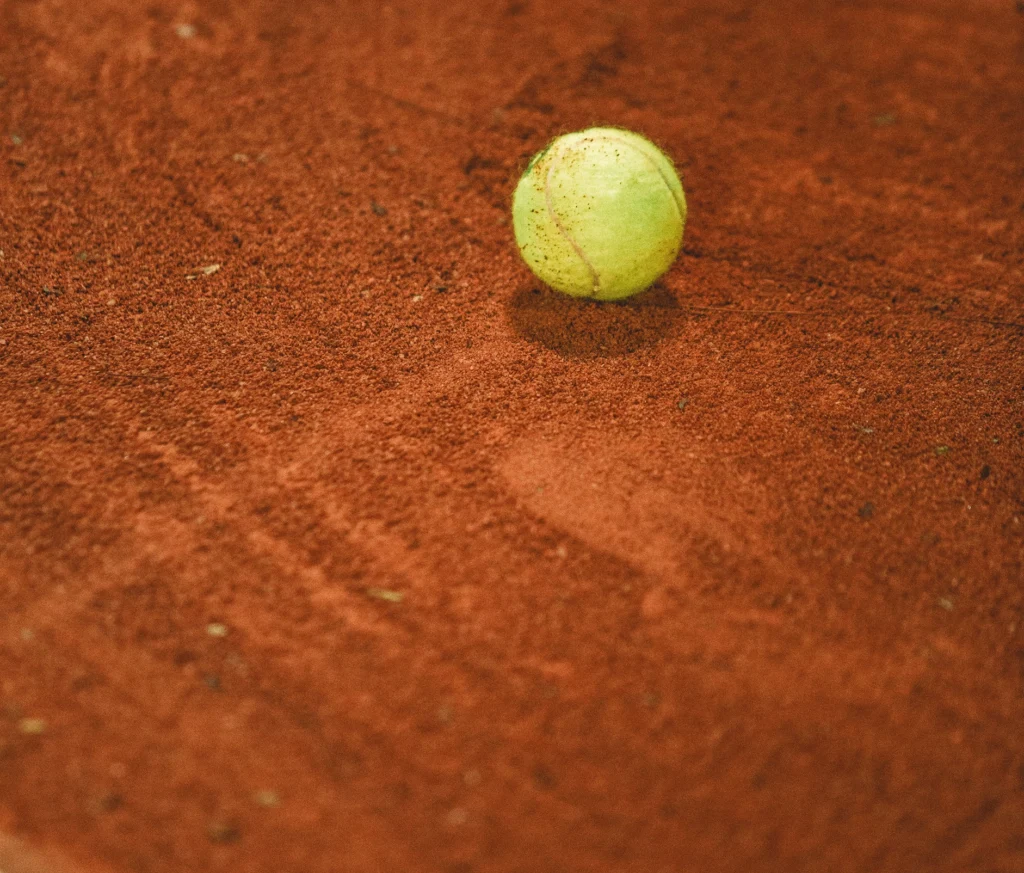
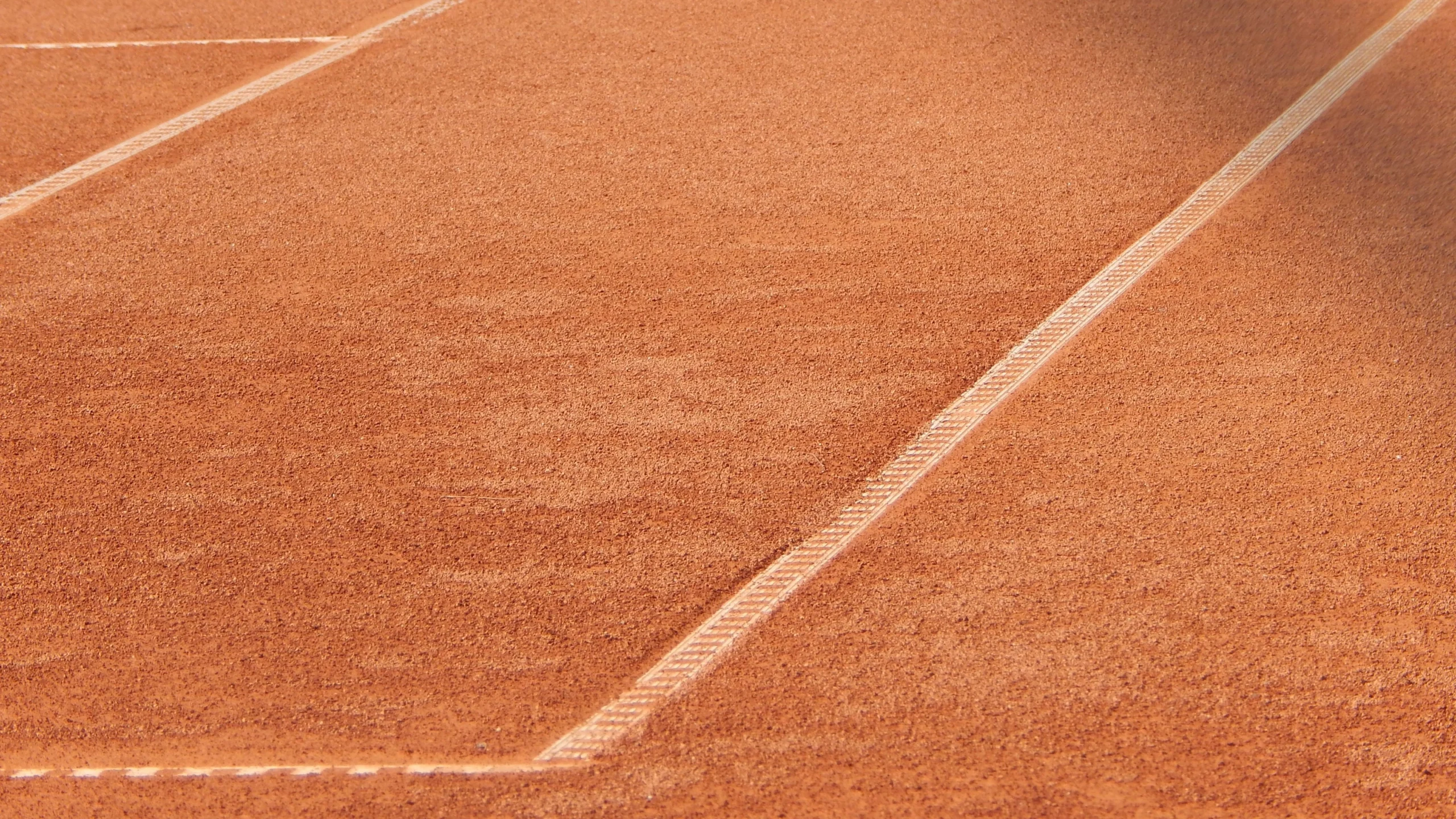
A clay court surface is a type of tennis court made from finely crushed natural materials such as brick, shale, stone, or other mineral aggregates. Unlike hard courts, the playing surface has a loose top layer that slows the ball and produces a higher, more consistent bounce. This allows players more time to react, making clay courts ideal for longer rallies, heavy topspin, and strategic point construction. Clay courts are softer underfoot than hard courts, reducing the impact on players’ joints and encouraging controlled sliding during movement. To maintain consistent playing conditions, the surface requires regular watering, brushing, and rolling to keep the clay evenly distributed and prevent dust or uneven areas. These courts are widely used for recreational, club, and professional tennis, particularly in Europe and South America. The world’s most famous clay court tournament, the French Open (Roland-Garros), is played on red clay, showcasing the unique speed, bounce, and playing style that make clay courts distinct from other tennis surfaces.
Types of Clay Tennis Courts
Red Clay Court
Made from crushed red brick, red clay courts offer slow ball speed, high bounce, and excellent sliding. They are widely used in Europe and at the French Open.
Green Clay Court (Har-Tru)
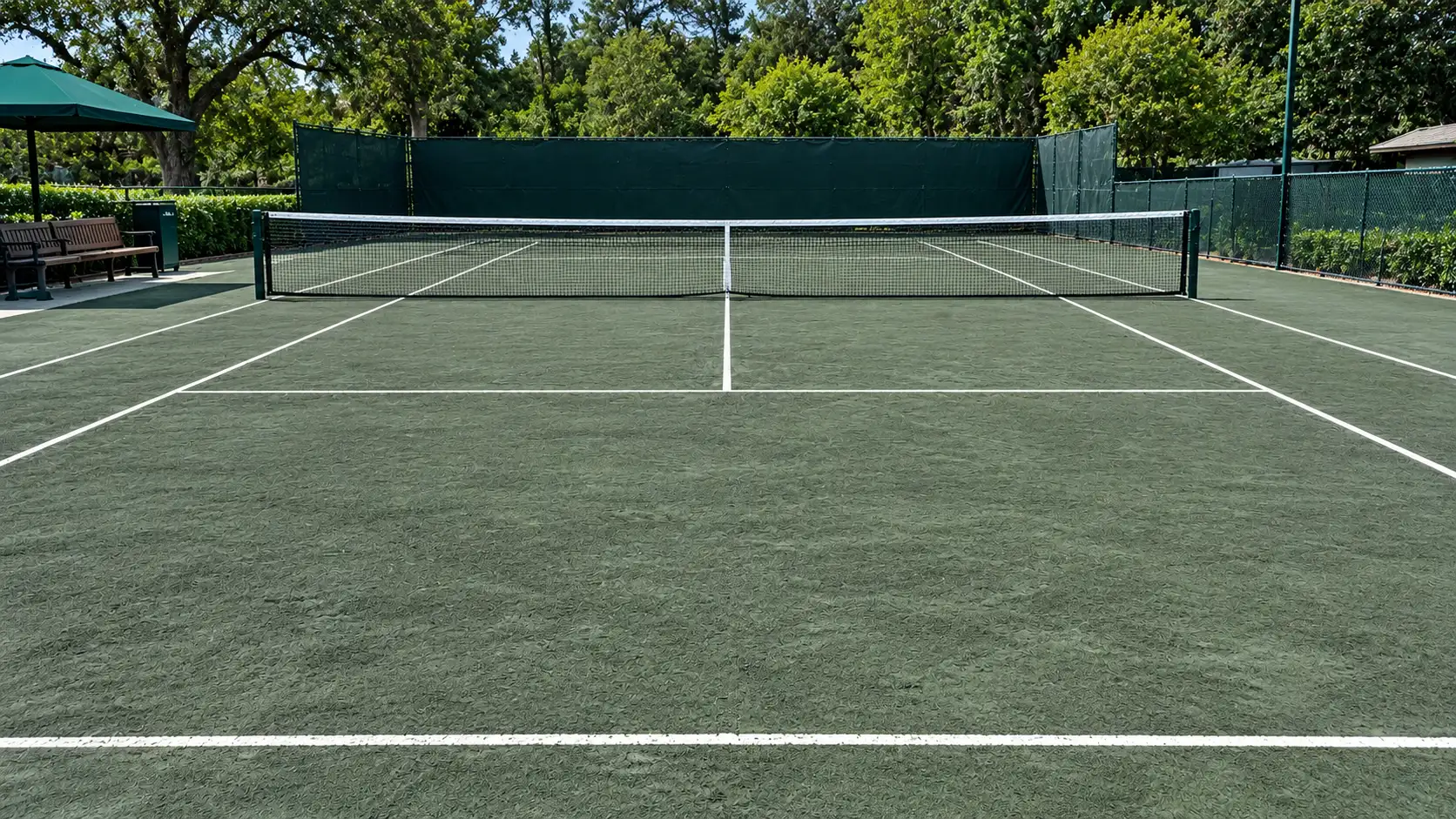
Made from crushed green stone, green clay courts are slightly faster than red clay and provide consistent bounce and control.This surface is commonly found in North America.
Tennis Ball Behaviour on Clay Courts
Clay courts slow the ball after it bounces, creating higher bounce and longer rallies. Surface conditions, moisture, and clay quality all influence ball performance.
Ball Type
Regular-duty tennis balls are commonly used on clay courts, providing consistent bounce and durability.
Ball Weight
Standard ITF-approved balls weighing 56–59.4 gram ensure reliable performance on clay courts.
Ball Diameter
Official tennis balls have a diameter of 6.54–6.86 Centimeter for consistent play.
Bounce Behaviour
Clay courts produce a higher and slower bounce, giving players more time to react.
Ball Speed
The loose clay surface reduces ball speed after impact, resulting in longer rallies.
Ball Longevity
Clay dust wears the ball’s felt faster, so balls may need replacing more often during play.
Tennis Racquet on Clay Courts
Clay courts reward control, spin, and consistency during long rallies. Choosing the right racquet specifications helps players generate topspin, improve maneuverability, and maintain accuracy on the slower surface.
Racquet Weight
A 280–305 g racquet provides excellent control and stability. It also reduces fatigue during long clay-court rallies.
Racquet Balance
A head-light or evenly balanced racquet improves maneuverability. It helps players react quickly and generate more topspin.
Head Size
A 98–100 sq in head size offers a larger sweet spot. It improves control while maintaining consistent shot accuracy.
String Pattern
An open 16×19 string pattern increases spin potential. It helps produce higher, deeper shots on clay courts.
Clay Court Slope & Water Drainage
A properly designed slope is an essential part of a clay tennis court, helping excess rainwater drain efficiently while protecting the clay surface. Since clay courts are porous, the correct slope works together with the drainage system to prevent water accumulation, reduce erosion, maintain consistent playing conditions, and extend the court’s lifespan.
1. One-Direction Slope
The entire clay court surface gently slopes in one direction, allowing rainwater to flow toward a designated edge or drainage channel. This simple grading system helps remove excess water efficiently while protecting the clay layer from erosion.
Best For:
Clay courts with drainage channels installed along one primary side of the court.
2. Two-Direction / Crown Slope
The court surface is slightly higher at the center and gently slopes toward both sides, directing rainwater evenly to drainage channels along each edge. This grading method provides balanced water runoff and helps keep the playing surface more uniform after rainfall.
Best For:
Clay courts with perimeter drainage on both sides, especially in areas with moderate to heavy rainfall.
Why is court slope important?
Court slope helps drain rainwater efficiently, protects the clay surface from erosion, and maintains safe, consistent playing conditions.
Prevents water accumulation
A gentle slope directs excess rainwater toward the drainage system, helping prevent puddles and waterlogged areas.
Reduces clay erosion
Proper water runoff minimizes the loss of loose clay material and helps maintain a smooth, even playing surface.
Maintains Consistent Playability
Keeps the court cleaner and drier, reducing slippery areas for a safer playing environment.
Maintains playing quality
Prevents water accumulation, helping maintain consistent ball bounce & reliable court performance.
Grand slam tournaments on clay courts
Two of the four Grand Slam tournaments are played on acrylic hard courts. These tournaments offer consistent ball bounce, balanced court pace, and durable playing conditions, making them ideal for aggressive baseline players and all-court playing styles.
🇫🇷 French Open (Roland-Garros)
🎾 Surface
Red Clay Court
⚡ Court Pace
Slow
📍 Location
Paris, France
Only one of the four Grand Slam tournaments is played on clay courts. The French Open (Roland-Garros) is renowned for its slow court speed, high ball bounce, and demanding rallies, making it the ultimate test of endurance, consistency, and topspin.
Frequently asked questions
Still have a questions?
Can’t find the answer you’re looking for? Visit our Contact page and send us your question using the contact form. We’ll review your query and consider adding it to our future guides and FAQ updates.
The loose clay surface absorbs more energy from the ball, reducing its speed and creating longer rallies.
The loose clay surface allows controlled sliding, helping players reach wide shots while reducing sudden stops.
Regular watering keeps the clay surface compact, reduces dust, and maintains consistent playing conditions.
With proper maintenance, the foundation can last for decades, while the clay surface requires regular top dressing and seasonal maintenance to maintain performance.
Yes. Clay courts require regular top dressing and periodic resurfacing to replace worn clay, maintain a level surface, and ensure consistent playing performance.