
tenniscourtflooring.com

Different Types of Tennis Court Clay Hard Natural Grass Artificial Grass Surface.

Explore different types of tennis court surfaces, including hard courts, clay courts, natural grass courts, artificial grass courts, and cushioned acrylic surfaces. Learn about their features, playing characteristics, construction, and maintenance requirements.

Sports

Explore Tennis Court Surfaces

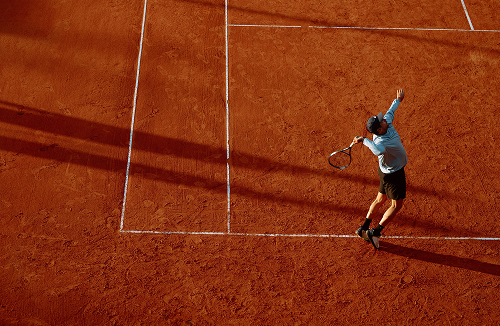
Clay Court

Hard Court

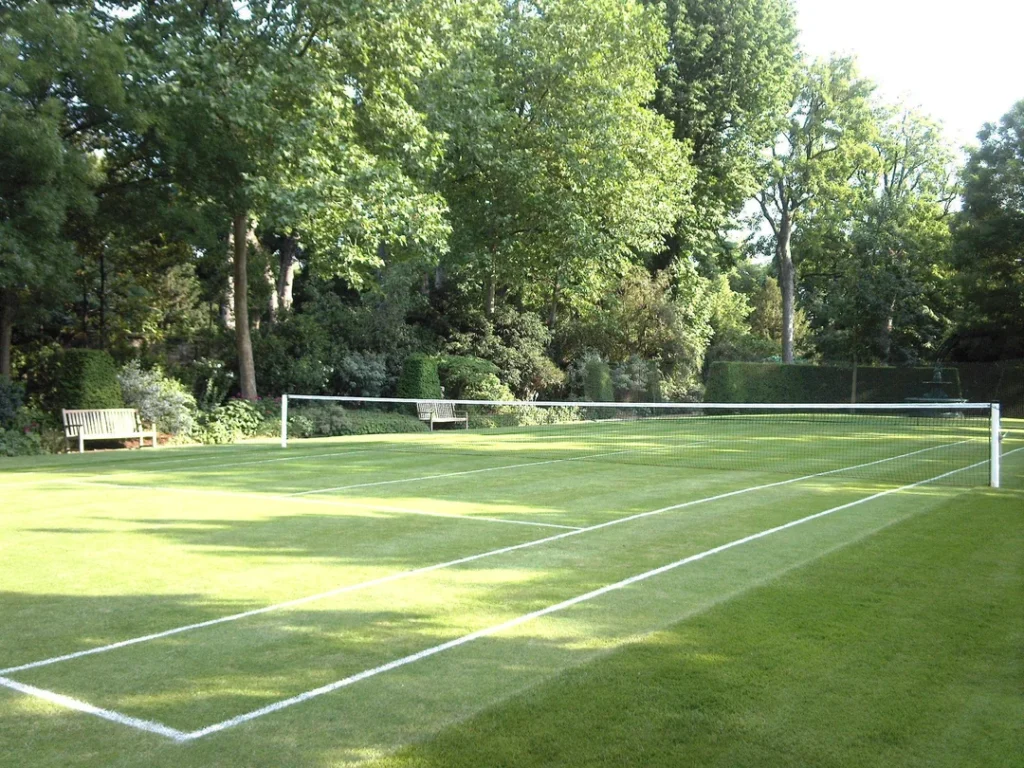
Natural Grass Court

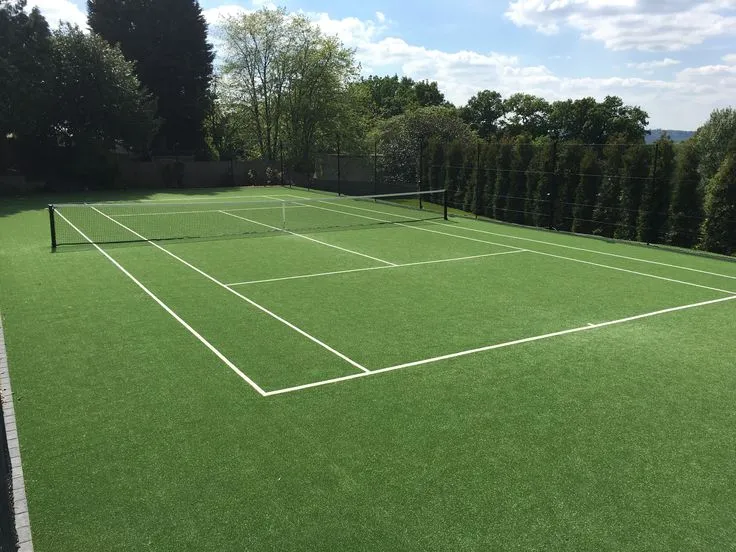
Artificial Grass Court

Types of Tennis Court Surfaces

The playing surface of a tennis court significantly influences ball speed, bounce, player movement, and overall game performance. Each type of tennis court surface offers unique playing characteristics, making it important to choose the right flooring based on player requirements, maintenance preferences, and project goals.

Clay Court

Clay courts are built using crushed brick, natural clay, or stone materials. They offer slower ball speed, higher bounce, excellent sliding, & improved player control, making them ideal for long rallies & baseline play.

Hard Court

Hard courts are constructed with concrete or asphalt bases coated with acrylic layers. They provide medium-fast ball speed, consistent bounce, excellent durability and are the most widely used tennis courts worldwide.

Natural Grass Court

Natural Grass Court feature natural grass grown on specially prepared soil. They deliver fast ball speed, low bounce, & smooth movement, creating a classic playing experience favored for quick, attacking tennis styles.

Artificial Grass Court

Artificial grass courts use synthetic turf with sand infill to replicate natural grass. They provide consistent play, excellent durability, lower maintenance, and year-round performance in various weather conditions.

Tennis Court Dimensions

A tennis court is a rectangular playing area designed according to internationally accepted standards. Understanding the correct tennis court dimensions is essential for proper court construction, fair gameplay, player safety, and professional performance. Whether you are building a court for a school, sports academy, club, or residential project, following standard tennis court measurements ensures the best playing experience.

Area

Measurement

Overall Court Length

78 ft (23.77 m)

Singles Court Width

27 ft (8.23 m)

Doubles Court Width

 36 ft (10.97 m)

Baseline to Net

 39 ft (11.89 m)

Service Line Distance from Net

21 ft (6.40 m)

Net Height at Center

 3 ft (0.914 m)

Net Height at Posts

3.5 ft (1.07 m)

Net Width

42 ft (12.8 m)

Tennis Net Specifications

The tennis net divides the court into two equal halves and plays a vital role in the game. A properly installed net ensures consistent gameplay and meets international tennis standards.

Standard Net Specifications

WHAT YOU'LL LEARN

Whether you’re new to tennis or planning to build or maintain a court, our expert guides cover everything you need to know. Explore tennis court surfaces, official dimensions, construction methods, maintenance practices, and more to make informed decisions.

Find official tennis court measurements, net height, singles and doubles layouts, service boxes, and court markings based on international standards.

Explore Court  Dimension→

Compare hard, clay, grass, and artificial grass tennis courts. Learn how each surface influences ball bounce, playing speed, player movement, durability, and maintenance.

Explore Court  Surfaces →

Discover practical maintenance tips, including court cleaning, resurfacing, crack repairs, drainage care, and seasonal maintenance to keep your court in excellent condition.

Explore Court  Maintenance→

Learn how a tennis court is built from the ground up. Explore site preparation, base construction, drainage systems, surface installation, and finishing techniques used to create durable, high-performance courts.

Explore Court  Construction→

ITF Court Pace Certification

Understand How Tennis Court Speed Is Classified Worldwide

The International Tennis Federation (ITF) uses the Court Pace Rating (CPR) system to classify tennis court surfaces according to their playing speed. These categories help players, coaches, clubs, and facility owners understand how different surfaces influence ball speed, bounce, and overall gameplay. Explore the five ITF pace categories and discover which surface best matches your playing style.

Blogs

Fresh Ideas and Expert Advice for Better Courts

Stay updated with the latest tips, guides, and insights on tennis court surfaces, maintenance, and performance.

Standard Tennis Court Dimensions Explained

Quick answer: A standard tennis court measures 78 feet (23.77 m) long and 27 feet (8.23 m) wide for singles, expanding to 36 feet (10.97 m) wide for doubles. Net height is 3 feet (0.914 m) at the...

Types of Tennis Court Surfaces: The Complete Guide

The surface beneath your feet shapes every rally, every bounce, and every match outcome. Yet surface selection is one of the most overlooked decisions in court construction—often made on aesthetics or...

Tennis Court Resurfacing: When and Why Does a Court Need

A tennis court is exposed to regular play, weather, moisture, and temperature changes. Over time, even a well-built court can begin to show signs of wear. Tennis court resurfacing is one way to...

Frequently asked questions

Still have a questions?

Can’t find the answer you’re looking for? Visit our Contact page and send us your question using the contact form. We’ll review your query and consider adding it to our future guides and FAQ updates.

Natural grass generally requires the most frequent maintenance to maintain consistent playing conditions.

Standing or trapped water can weaken the structure, cause surface deterioration, and contribute to cracking.

Court color mainly affects visibility, heat absorption, and aesthetics rather than basic playing characteristics.

Proper drainage quickly removes water and reduces the risk of surface damage and prolonged court closure.

Prolonged UV exposure, weather, heavy usage, and aging can gradually cause surface color fading.

Scroll to Top