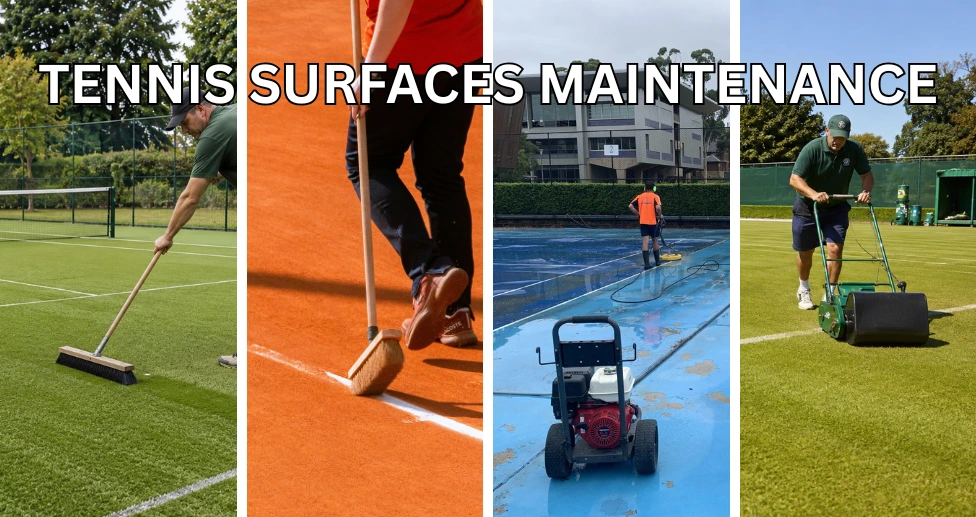
Quick answer: Tennis court flooring lasts longer when you match maintenance to the surface type. Hard courts need regular cleaning and crack repair, clay courts require daily brushing and watering, natural grass demands mowing and rolling, and artificial grass needs debris removal and infill checks. Consistent care prevents costly resurfacing.
A tennis court is a serious investment, whether it belongs to a private homeowner, a school, or a commercial sports club. Yet many owners only think about maintenance once problems appear—cracks in the surface, uneven bounces, or patches of worn-out material. By then, repairs are expensive and playability has already suffered.
The truth is that every tennis court surface ages, but how quickly it deteriorates depends almost entirely on the care it receives. A well-maintained hard court can last decades before needing a full resurface. A neglected clay court can turn patchy and unplayable within a single season.
This guide breaks down maintenance for the four most common tennis court flooring types: hard courts, clay courts, natural grass, and artificial grass. You’ll find daily, weekly, and seasonal routines, common problems and their fixes, a side-by-side comparison table, and answers to the questions court owners ask most. Whether you manage one court or oversee an entire facility, these practical tips will help you protect your surface and extend its life.
Understanding Tennis Court Flooring Surface Types
Before diving into maintenance, it helps to understand what makes each surface unique. The four main types of tennis court flooring behave differently, wear differently, and demand different care routines.
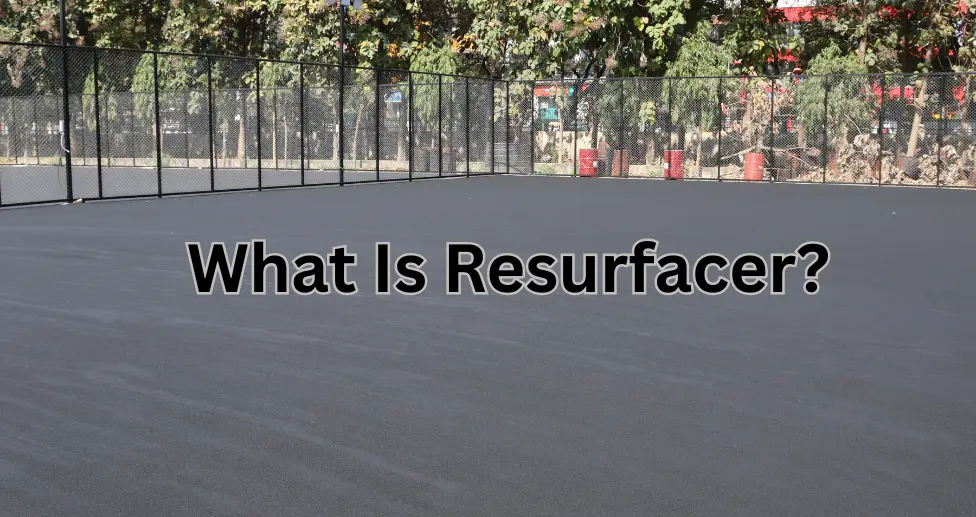
Hard courts are made from asphalt or concrete bases topped with acrylic coatings. They are the most popular surface worldwide thanks to their durability, consistent bounce, and relatively low upkeep. The US Open and Australian Open are both played on hard courts.
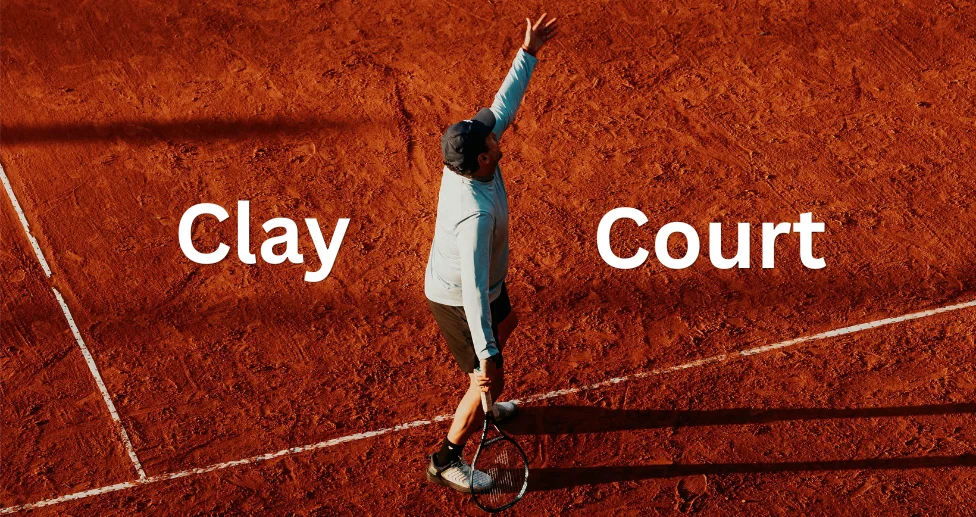
Clay courts are built from crushed brick, shale, or stone. They produce a slower bounce and are gentler on players’ joints. Clay courts are common across Europe and South America, with the French Open being the most famous clay tournament. However, they are the most maintenance-intensive of all surfaces.
Natural grass courts are the traditional tennis surface, most associated with Wimbledon. They offer a fast, low bounce and a classic aesthetic. Grass courts are beautiful but require the most specialized care, including mowing, watering, and turf management.
Artificial grass courts mimic the look of natural grass using synthetic fibers filled with sand infill. They deliver a middle-ground playing experience with far less upkeep than real grass. These surfaces have grown popular for clubs and homeowners who want the grass aesthetic without the labor.
Each surface carries trade-offs between playability, cost, and maintenance effort. The sections below explain exactly how to keep each one in top condition.
Maintenance Tips for Hard Court Flooring
Hard courts are prized for their durability, but “durable” does not mean “maintenance-free.” Dirt, moisture, and UV exposure all wear down the acrylic coating over time. A structured cleaning routine keeps the surface safe and playable.
Daily and Weekly Maintenance
Consistent light cleaning prevents the buildup that causes bigger problems later.
- Sweep or blow debris such as leaves, twigs, and dirt off the surface several times a week. Organic matter traps moisture and encourages mold.
- Remove standing water after rain using a roller squeegee. Pooled water leaves stains and speeds up coating breakdown.
- Check for surface debris before every match, especially small stones that can cause slips or scratches.
- Wipe down net posts and hardware to prevent rust and corrosion.
Seasonal Maintenance
Deeper cleaning and inspection should happen at the change of each season.
- Pressure wash the surface once or twice a year to remove embedded grime, algae, and mildew. Use low to moderate pressure to avoid damaging the acrylic.
- Inspect the coating for fading, thinning, or chalking. Faded courts lose grip and become slippery.
- Check drainage systems to ensure water flows away from the court, especially before wet seasons.
- Reapply acrylic coating every four to eight years depending on usage and climate.
Common Issues and Fixes
- Cracks: Hairline cracks are normal but should be filled promptly with an acrylic crack filler before they widen and let water into the base.
- Birdbaths (low spots): These low areas collect water and can be patched with a leveling compound.
- Slippery surface: Often caused by algae or worn texture. Clean thoroughly, and if grip does not return, the surface may need recoating.
- Blistering: Bubbles in the coating usually signal trapped moisture. This requires professional assessment before recoating.
The key with hard courts is prevention. Small cracks and stains are cheap to fix early but expensive once they spread through the base layer.
Maintenance Tips for Clay Court Flooring
Clay courts reward players with a soft, forgiving surface—but they ask a lot in return. Of all tennis court flooring types, clay demands the most frequent attention. Daily care is not optional; it is what keeps the surface level, moist, and playable.
Daily and Weekly Maintenance
- Brush the court after every use with a drag brush. Brushing redistributes the top layer of clay and keeps the surface even.
- Water regularly to keep the clay compact and dust-free. Dry clay becomes loose and produces inconsistent bounces.
- Sweep the lines with a line brush to keep them visible and free of loose clay.
- Roll the court periodically to maintain firmness and a smooth playing surface.
Seasonal Maintenance
- Add new clay material at the start of each season to replace what has washed or blown away.
- Deep roll the court in spring to recompact the base after winter.
- Inspect and clean the irrigation system, since clay courts rely heavily on consistent watering.
- Winterize the court in cold climates by covering it or following a shutdown routine to protect the surface from frost damage.
Common Issues and Fixes
- Uneven surface: Caused by irregular brushing or heavy foot traffic. Fix by rolling and topping up with fresh clay.
- Cracking or drying: A sign of insufficient watering. Increase irrigation frequency, especially in hot weather.
- Low spots and puddles: Fill with clay, level, and roll to restore an even surface.
- Weeds and moss: Common in damp conditions. Remove promptly and improve drainage or sunlight exposure.
Clay court maintenance is a daily commitment. Owners who cannot dedicate consistent time to brushing and watering often find these surfaces deteriorate faster than any other type.
Maintenance Tips for Natural Grass Court Flooring
Natural grass is the most beautiful and the most demanding tennis surface. It essentially combines court maintenance with expert lawn care. Grass courts require specialized equipment, horticultural knowledge, and near-constant attention during playing season.
Daily and Weekly Maintenance
- Mow the grass frequently to maintain the ideal playing height, typically around 8mm during the season.
- Water carefully to keep the turf healthy without making it soggy. Timing and volume both matter.
- Roll the court to keep the surface firm and true for consistent ball bounce.
- Repair worn patches near the baseline and service areas where foot traffic is heaviest.
Seasonal Maintenance
- Aerate the soil to reduce compaction and help roots breathe.
- Overseed thin or bare areas to maintain dense, even turf coverage.
- Apply fertilizer according to a seasonal schedule to support healthy growth.
- Top-dress with soil to level the surface and encourage new growth.
- Scarify to remove thatch buildup that can weaken the turf.
Common Issues and Fixes
- Bare patches: Caused by wear and heavy use. Reseed and rest the area to allow recovery.
- Uneven bounce: Usually a result of an uneven surface. Roll and top-dress to smooth it out.
- Fungal disease: Appears as discolored patches. Improve airflow, adjust watering, and treat with appropriate turf products.
- Weeds: Remove manually or treat selectively to avoid damaging the playing turf.
Grass courts are best suited to owners with the budget and expertise for serious turf management. Without consistent horticultural care, they degrade quickly and become unplayable.
Maintenance Tips for Artificial Grass Court Flooring
Artificial grass offers the grass court look with a fraction of the labor. These synthetic surfaces are durable and weather-resistant, but they still need regular attention to stay safe and perform well. The infill—usually sand—is central to how the court plays and how long it lasts.
Daily and Weekly Maintenance
- Remove leaves and debris with a leaf blower or soft brush. Organic matter breaks down and encourages moss growth.
- Brush the fibers regularly to keep them upright and evenly distribute the sand infill.
- Check for standing water and clear drainage points if pooling occurs.
- Rinse the surface occasionally to remove dust and prevent buildup.
Seasonal Maintenance
- Top up the infill where it has thinned, especially in high-traffic zones near the baseline.
- Deep brush the entire court to redistribute infill and lift compacted fibers.
- Treat for moss and algae in shaded or damp areas before they spread.
- Inspect seams and edges for lifting or damage that could create tripping hazards.
Common Issues and Fixes
- Moss and algae growth: Common in damp, shaded courts. Clean with an appropriate treatment and improve sunlight or drainage.
- Flattened fibers: Caused by heavy use and compaction. Restore with regular brushing.
- Uneven infill: Leads to inconsistent bounce. Redistribute and top up sand as needed.
- Poor drainage: Clear blocked drainage holes and remove surface debris that traps water.
Artificial grass strikes a practical balance. It needs far less work than clay or natural grass, but ignoring the infill and drainage will still shorten its lifespan.
Comparison Table: Maintenance Requirements by Surface Type
The table below summarizes how the four tennis court flooring types compare across the factors that matter most to owners.
| Factor | Hard Court | Clay Court | Natural Grass | Artificial Grass |
|---|---|---|---|---|
| Maintenance level | Low to moderate | Very high | Very high | Low to moderate |
| Daily upkeep | Minimal (debris removal) | Brushing, watering | Mowing, watering | Debris removal |
| Seasonal tasks | Pressure wash, recoat | Add clay, roll, winterize | Aerate, overseed, fertilize | Top up infill, deep brush |
| Common issues | Cracks, birdbaths | Uneven surface, drying | Bare patches, disease | Moss, flattened fibers |
| Skill required | Moderate | High | Very high | Low to moderate |
| Resurfacing cycle | 4–8 years (recoat) | Annual top-up | Ongoing turf care | 8–15 years (varies) |
| Weather resistance | High | Low to moderate | Low | High |
| Best for | Most owners | Dedicated clubs | Traditionalists with budget | Low-maintenance seekers |
Use this table as a quick reference when planning your maintenance schedule or comparing surfaces for a future court.
The True Cost of Skipping Maintenance
Many court owners underestimate what neglect actually costs. Skipping routine maintenance rarely saves money—it simply delays and multiplies the expense.
Consider a hard court with a hairline crack. Filling it early might cost very little in materials and an hour of work. Ignore it for two seasons, and water seeps into the base, freezes, expands, and widens the crack. The damage spreads, the base destabilizes, and what began as a minor fix now requires professional repair or full resurfacing.
Clay courts tell a similar story. Miss regular brushing and watering, and the surface dries, cracks, and develops low spots. Restoring a badly neglected clay court means adding significant new material and days of rolling and leveling—far more effort than daily upkeep would have required.
Natural grass is the least forgiving. A single season without proper mowing, watering, and turf care can leave a court patchy and diseased. Reviving damaged turf takes months, and during that time the court is unplayable.
Even low-maintenance artificial grass suffers from neglect. Ignored infill compacts and thins, fibers flatten, and moss takes hold in damp corners. The playing surface becomes uneven and slippery, cutting years off its expected lifespan.
The lesson is consistent across every surface: small, regular investments of time protect a much larger financial investment. Maintenance is not an expense to avoid—it is insurance for the asset you already own.
How Climate Affects Tennis Court Maintenance
Where a court is located shapes how it should be maintained. Climate influences everything from cleaning frequency to which problems appear most often.
Hot, dry climates are hard on clay and natural grass. Both rely on moisture, so evaporation forces more frequent watering. Hard courts fare better, but intense UV exposure fades acrylic coatings faster, meaning recoating may be needed sooner. Artificial grass holds up well but can heat up significantly under strong sun.
Cold climates with freeze-thaw cycles are especially tough on hard courts. Water that enters small cracks expands when it freezes, prying the surface apart. Winterizing is essential. Clay courts also need protective covering to survive frost, and many facilities shut them down entirely over winter.
Wet, humid climates create ideal conditions for moss, algae, and fungal disease. Artificial grass and hard courts in shaded areas are particularly prone to slippery buildup. Drainage becomes critical, and cleaning frequency should increase during rainy seasons.
Coastal environments add salt and sand to the mix. Salt air accelerates corrosion of net posts and metal hardware, while windblown sand can scratch surfaces and clog drainage. More frequent rinsing and hardware inspection help offset these effects.
Understanding your local climate lets you anticipate problems rather than react to them. A court owner in a rainy region should prioritize drainage and moss control, while one in a sunny, dry area should focus on watering routines and UV protection. Tailoring maintenance to climate is one of the simplest ways to extend the life of any tennis court flooring.
Choosing the Right Surface for Your Maintenance Capacity
One of the smartest decisions a court owner can make happens before the court even exists: choosing a surface that matches the time and resources available for upkeep.
If maintenance capacity is limited, hard courts and artificial grass are the most practical choices. Both tolerate irregular care far better than clay or natural grass. A busy homeowner or a school with a small grounds team will find these surfaces forgiving and predictable.
Clay courts suit owners who can commit to daily attention or who have dedicated staff. Tennis clubs with regular groundskeeping teams often manage clay well because the labor is built into their routine. For an individual owner without that time, clay can quickly become a burden.
Natural grass sits at the top of the maintenance ladder. It demands horticultural expertise, specialized equipment, and a healthy budget. Grass courts make sense for prestigious clubs, dedicated enthusiasts, or facilities where tradition and aesthetics justify the effort and cost.
Ask yourself a few honest questions. How many hours per week can you realistically dedicate to the court? Do you have access to the right equipment? What is your climate, and how will it affect upkeep? Is there budget for periodic professional servicing?
Matching surface choice to maintenance capacity prevents disappointment down the line. A beautifully installed court means little if it cannot be properly cared for. The best surface is not always the most impressive one—it is the one you can realistically keep in excellent condition year after year.
Keeping Your Court in Top Condition
Every tennis court surface tells the same story in the end: the courts that last are the ones that are cared for consistently. Hard courts reward simple, regular cleaning and prompt crack repair. Clay courts demand daily brushing and watering. Natural grass calls for genuine turf expertise. Artificial grass needs attention to infill and drainage. Match your routine to your surface, and factor in your local climate, and you can extend the life of any court by years.
The most expensive mistake in court ownership is waiting until damage appears. Prevention is always cheaper than repair, and a modest weekly routine protects a significant investment.
If you’re researching materials, coatings, infill, or maintenance products for your court, take time to compare your options and reach out to reputable suppliers with your questions. The more you understand about your surface and the products designed to protect it, the better equipped you’ll be to keep your court playing beautifully for seasons to come.
Final Thoughts: Protecting Your Tennis Court Investment
Every tennis court surface tells the same story in the end: the courts that last are the ones that are cared for consistently. Hard courts reward simple, regular cleaning and prompt crack repair. Clay courts demand daily brushing and watering. Natural grass calls for genuine turf expertise. Artificial grass needs attention to infill and drainage. Match your routine to your surface, and factor in your local climate, and you can extend the life of any court by years.
The most expensive mistake in court ownership is waiting until damage appears. Prevention is always cheaper than repair, and a modest weekly routine protects a significant investment.
If you’re researching materials, coatings, infill, or maintenance products for your court, take time to compare your options and reach out to reputable suppliers with your questions. The more you understand about your surface and the products designed to protect it, the better equipped you’ll be to keep your court playing beautifully for seasons to come.