tenniscourtflooring.com

Artificial Grass Tennis Court

Artificial grass tennis courts combine the natural appearance of real grass with the durability of modern synthetic turf. They provide consistent ball bounce, low maintenance, excellent drainage, and year-round playability, making them an ideal choice for clubs, schools, residential courts, and recreational facilities.

What Is an Artificial Grass Court?

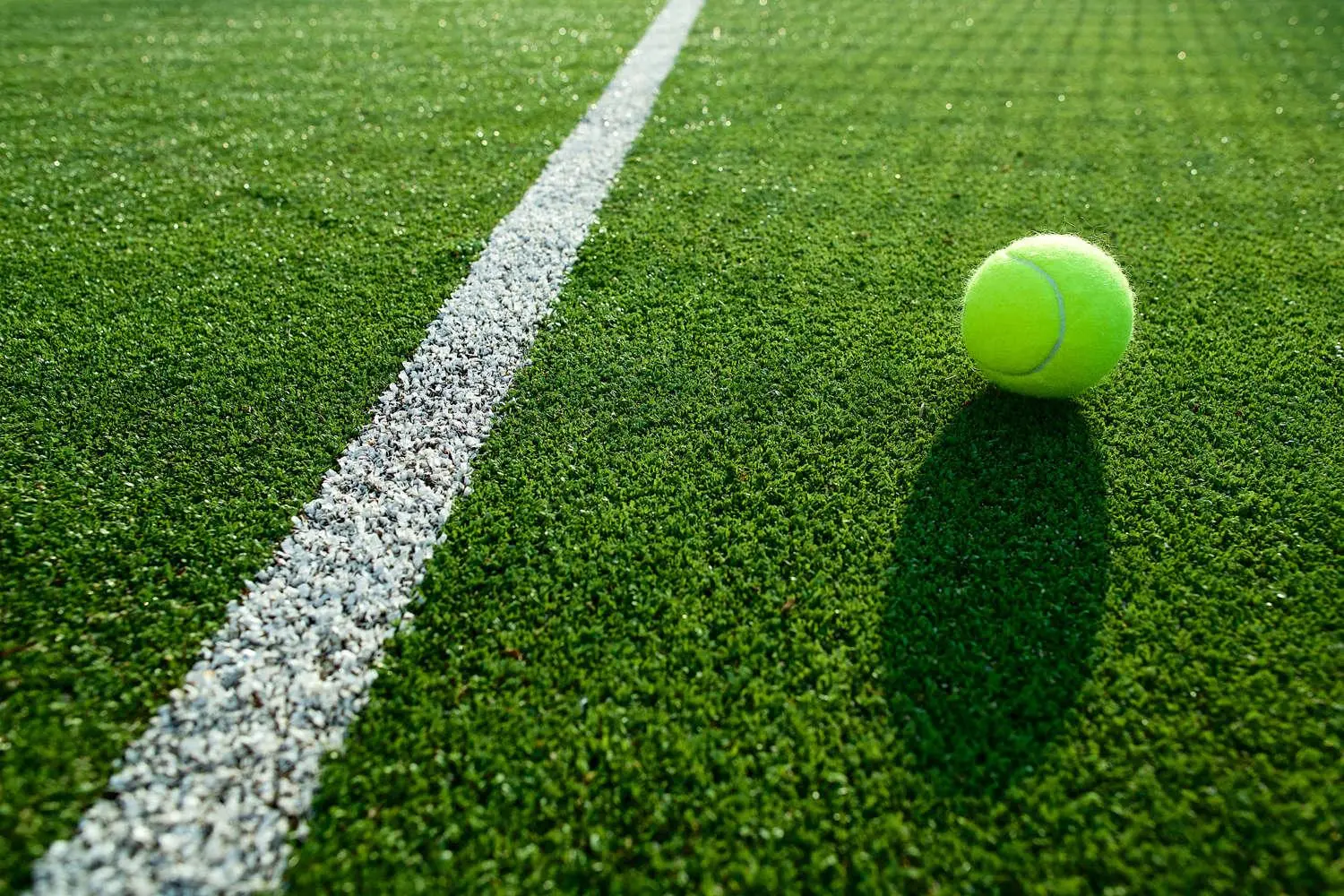
An artificial grass tennis court is a synthetic playing surface made from durable polyethylene or polypropylene grass fibers installed over a stable base with infill materials such as silica sand. Unlike natural grass, it does not require mowing, watering, or fertilizing, while still offering a soft and comfortable playing experience. Artificial grass courts provide reliable ball performance, excellent drainage, and long service life, making them suitable for both indoor and outdoor installations. They are designed to withstand frequent use while maintaining a consistent playing surface throughout the year. Their combination of durability, player comfort, and low maintenance makes them a popular choice for sports clubs, schools, academies, and residential tennis courts. The synthetic turf provides excellent traction and player comfort, reducing surface wear while supporting smooth movement during rallies. 

Types of Artificial Grass Tennis Courts

Sand-Filled

The most common type used for tennis. Silica sand is brushed into the fibers to improve stability, maintain fiber strength, and deliver consistent ball bounce.

Sand-Dressed

Uses a lighter layer of sand that supports the grass fibers while keeping more of the synthetic grass visible. It offers a softer feel with moderate maintenance.

Non-Filled

Designed without sand infill. These courts provide a cushioned surface and are mainly used for recreational or training purposes where lower maintenance is preferred.

Tennis Ball Behaviour on Artificial Grass Courts

Clay courts slow the ball after it bounces, creating higher bounce and longer rallies. Surface conditions, moisture, and clay quality all influence ball performance.

Ball Type

Standard pressurized tennis balls are recommended for artificial grass courts, providing consistent performance, reliable bounce, and smooth play .

Ball Weight

The official ball weight ranges from 56.0–59.4 gram, ensuring stable flight, controlled movement, and consistent performance on artificial grass surfaces.

Ball Diameter

The standard tennis ball diameter is 6.54–6.86 cm (2.57–2.70 in), meeting ITF specifications for reliable bounce, speed, and overall playing consistency.

Bounce Behaviour

Artificial grass provides a medium and predictable bounce, offering a balanced playing experience with consistent ball response and improved shot control.

Ball Speed

Artificial grass delivers a medium-fast playing speed, allowing smooth rallies with a balanced combination of control, pace, and predictable ball movement.

Ball Durability

Artificial grass is less abrasive than hard courts, helping tennis balls retain their felt, maintain consistent performance, and last longer during regular play.

Tennis Racquet on Artificial Grass Courts

Clay courts reward control, spin, and consistency during long rallies. Choosing the right racquet specifications helps players generate topspin, improve maneuverability, and maintain accuracy on the slower surface.

Racquet Weight

A 270–305 g racquet provides an ideal balance of control, stability, and easy maneuverability on artificial grass courts.

Racquet Balance

An even or slightly head-light balance allows quicker reactions at the net while maintaining excellent control from the baseline.

Head Size

A 100–105 sq. in. head size offers a larger sweet spot, improving shot consistency and forgiveness during fast rallies.

String Pattern

An open 16×19 string pattern generates a balanced combination of spin, power, and comfort on synthetic grass surfaces.

Artificial Grass Court Slope & Water Drainage

Artificial grass courts require proper drainage to maintain performance and prevent water accumulation. A gentle slope combined with a permeable turf system allows rainwater to flow quickly into drainage channels, keeping the court dry, safe, and ready for play.

1. One-Direction Slope

The entire court slopes gently toward one side, allowing rainwater to flow into a single drainage channel.

Best For:

Residential courts and locations with limited drainage requirements.

2. Two-Direction / Crown Slope

The center of the court is slightly higher than both sides, directing rainwater evenly toward drainage channels on each edge.

Best For:

Professional, club, and high-use tennis courts.

Why is court slope important?

Court slope helps drain rainwater efficiently, protects the clay surface from erosion, and maintains safe, consistent playing conditions.

Prevents Waterlogging

Efficient drainage quickly removes rainwater from the surface, keeping the court dry, playable, and ready for use after rainfall.

Protects the Base

A proper slope prevents standing water from reaching the base layers, reducing long-term structural damage and maintenance needs.

Improves Player Safety

A well-drained surface minimizes the risk of slipping, providing better traction and safer movement during every match.

Maintains Playing Quality

Proper drainage ensures consistent ball bounce, stable footing, and helps extend the overall lifespan .

Frequently asked questions

Still have a questions?

Can’t find the answer you’re looking for? Visit our Contact page and send us your question using the contact form. We’ll review your query and consider adding it to our future guides and FAQ updates.

Artificial grass offers lower maintenance and more consistent playing conditions.

Silica sand is the most commonly used infill for stability, drainage, and consistent performance.

Yes, brushing helps keep the fibers upright and evenly distributes the sand infill.

No, a properly installed court drains water quickly and prevents surface flooding.

No, quality synthetic turf is designed to withstand cold temperatures without cracking or shrinking.

Scroll to Top